Daylight Saving Time Origins: Tracing the Global Roots and Energy Saving Impulses
Each spring, many of us grudgingly move our clocks forward, sacrificing an hour of sleep, only to reclaim it in the autumn. This biennial ritual, known as Daylight Saving Time (DST), aims to optimize daylight hours, particularly during warmer months. But how did this peculiar practice begin, and what were the driving forces behind its adoption? The question of When Did Daylight Savings Time Start uncovers a fascinating journey through history, global conflicts, and persistent debates over energy conservation.
While the concept might seem relatively modern, the seeds of DST were sown centuries ago, taking root in various nations before becoming the widespread phenomenon it is today. Its origins are deeply intertwined with the quest for efficiency and the pragmatic needs of society, evolving from whimsical suggestions to strategic wartime measures.
The Earliest Seeds: Pioneering Proposals for Time Shifts
The idea of adjusting clocks to better utilize daylight isn't as novel as one might assume. One of the earliest, albeit humorous, proponents was none other than American polymath Benjamin Franklin. In a satirical essay penned in 1784 during his time in Paris, Franklin mused on the economic benefits of waking up earlier to take advantage of natural light, thereby saving on candles. While his essay didn't propose an actual clock change, it highlighted the underlying principle: maximizing daylight to reduce artificial light consumption.
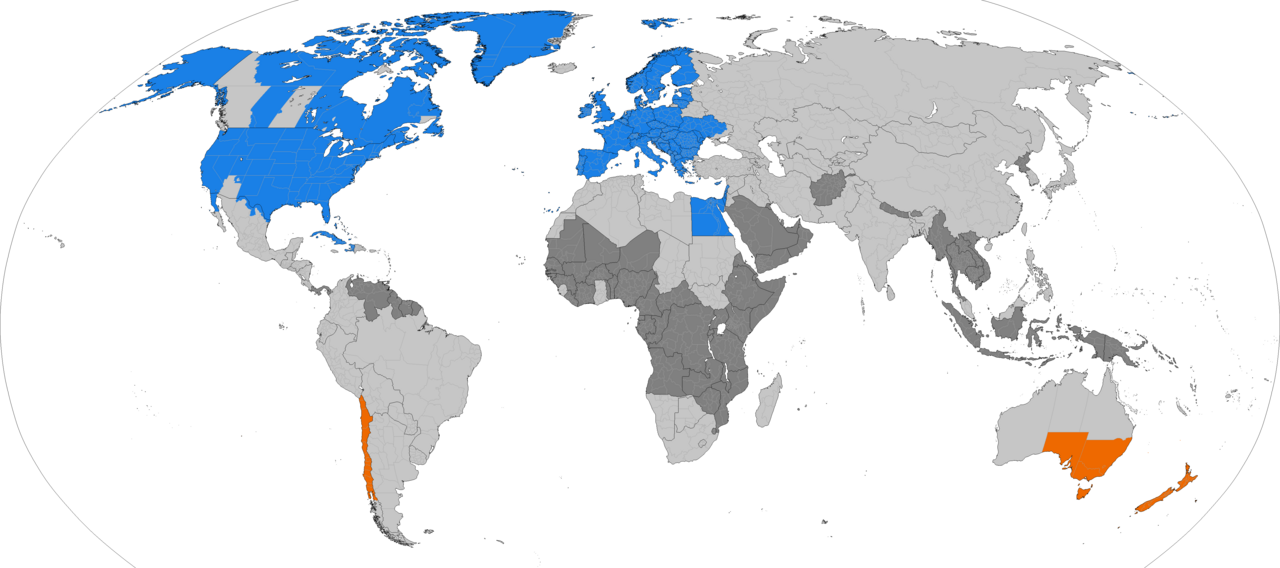
The first serious and actionable proposal, however, emerged from the Southern Hemisphere. In 1895, New Zealand entomologist and postal worker George Vernon Hudson presented a paper to the Wellington Philosophical Society. Hudson advocated for a two-hour seasonal shift to allow for more daylight in the evenings, which would greatly benefit his insect research and other leisure activities. New Zealand eventually adopted DST in 1927, long after the idea had gained traction elsewhere.
Across the globe, in Britain, builder William Willett fiercely campaigned for "summer time" in 1907. Struck by the waste of daylight during his morning rides, Willett proposed advancing clocks by 80 minutes in four 20-minute increments during April and reversing the process in September. Despite his persistent efforts and a bill introduced to the British House of Commons in 1909, his proposal was initially rejected. It would take a global crisis to turn the tide.
Daylight Saving Time's Wartime Debut: A Global Phenomenon
The true catalyst for widespread adoption of Daylight Saving Time was the outbreak of World War I. As nations grappled with resource scarcity and the immense demands of the war effort, the concept of conserving energy became paramount. The simple act of shifting clocks seemed a viable, non-disruptive way to achieve this.
Germany was the first country to officially implement DST on April 30, 1916, followed swiftly by Great Britain and many other European nations. The rationale was clear: by moving clocks forward, evenings would be brighter, reducing the need for artificial lighting in homes and factories, thereby saving coal and other fuels essential for the war.
The United States soon followed suit. The question of When Did Daylight Saving Time Start in the US? A WWI History reveals that on March 19, 1918, the U.S. Congress passed the landmark Standard Time Act of 1918. This act not only introduced Daylight Saving Time, requiring clocks to be moved forward one hour on the last Sunday in March and back on the last Sunday in October, but it also established the standardized time zones we recognize today: Eastern, Central, Mountain, Pacific, and Standard Alaska Time. This dual purpose underscored the act's aim to bring order and efficiency to a nation at war.
While initially popular, the immediate post-war period saw a backlash against DST in the US, particularly from agricultural communities who found the shift disruptive to their schedules. As a result, The Standard Time Act of 1918 was repealed on August 20, 1919, despite President Woodrow Wilson's veto. This marked the beginning of a complex and often contentious history for DST in America, a saga that would see its reintroduction during World War II for similar wartime energy conservation efforts, only to be repealed again in 1945.
The American Journey: From Repeals to Uniformity and Modern Tweaks
After its second repeal in 1945, the practice of DST became a patchwork across the United States. States and even individual cities could decide whether or not to observe Daylight Saving Time, leading to significant confusion for interstate travel and commerce. This lack of uniformity highlighted the need for federal intervention once more.
The modern framework for DST in the U.S. was finally established with the passage of the Uniform Time Act of 1966. This crucial piece of legislation mandated that any state observing DST must follow a uniform schedule: clocks would spring forward on the last Sunday in April and fall back on the last Sunday in October. States retained the option to exempt themselves entirely from DST, but if they observed it, they had to do so uniformly. This act brought much-needed order to the nation's clocks.
The energy crisis of the 1970s brought another significant, albeit controversial, chapter to DST's history. During the 1973 oil embargo, Congress mandated a year-round Daylight Saving Time period from January 1974 to April 1975. The aim was to study the clock change's effects on energy consumption under extreme conditions. However, public outcry over dark winter mornings, particularly impacting children going to school in the dark, led to a swift amendment. The experiment was cut short, allowing a return to standard time during winter months, demonstrating the powerful social impact of time changes.
The most recent significant alteration to the DST schedule came with the Energy Policy Act of 2005. This act extended Daylight Saving Time by several weeks, shifting its start date to the second Sunday in March and its end date to the first Sunday in November. This expansion, aimed at further conserving energy and reducing electricity usage, means that in most parts of the U.S., DST now runs for approximately eight months of the year. For a deeper dive into the legislative shifts, check out The Evolution of DST: Key Laws & Repeals in US History.
Beyond the Clock Change: Debates, Benefits, and Modern Perspectives
The history of Daylight Saving Time is a testament to its fluctuating popularity and ongoing debate. While its initial rationale centered heavily on energy conservation during wartime, the effectiveness of DST in saving energy in the modern era is a subject of continuous discussion. Studies have yielded mixed results, with some suggesting minimal energy savings and others even indicating an increase in energy use due to increased air conditioning in brighter evenings.
Beyond energy, the debate surrounding DST now encompasses broader impacts:
- Public Health: Research suggests potential disruptions to circadian rhythms, leading to temporary increases in heart attacks, strokes, and car accidents in the days following the spring forward.
- Economic Impact: While some industries, like retail and outdoor recreation, may benefit from longer daylight evenings, others, like transportation and agriculture, can face challenges.
- Safety: Proponents argue that more daylight in the evenings can reduce crime rates and traffic accidents, as people commute home in light rather than darkness.
As we continue to ask When Did Daylight Savings Time Start, it's clear the origins were rooted in practical needs. Today, however, many countries are reconsidering its necessity, with some regions choosing to abolish it altogether. The ongoing discussion often pits tradition and perceived benefits against the desire for a consistent, year-round time standard. For individuals, adapting to the clock change often involves proactive steps:
- Gradual Adjustment: Try shifting your sleep schedule by 15-30 minutes a few days before the change.
- Prioritize Sleep: Ensure you get adequate rest in the days leading up to and immediately after the time change.
- Maximize Light Exposure: Seek natural light in the mornings after springing forward to help reset your internal clock.
Conclusion
From Benjamin Franklin's 18th-century musings to George Vernon Hudson's scientific proposals and William Willett's passionate campaigns, the concept of Daylight Saving Time steadily gained momentum. However, it was the dire circumstances of World War I that truly propelled DST onto the global stage, positioning it as a critical strategy for energy conservation. The journey in the United States, marked by repeals, reintroductions, and the eventual standardization through acts like the Uniform Time Act of 1966, reflects a continuous effort to balance national efficiency with public sentiment.
While the initial question of When Did Daylight Savings Time Start points to early 20th-century wartime necessity, its legacy continues to spark debate in our modern world. As societies evolve, so too do the considerations surrounding our clocks, reminding us that even something as fundamental as time can be a subject of ongoing historical adaptation and contemporary reevaluation.